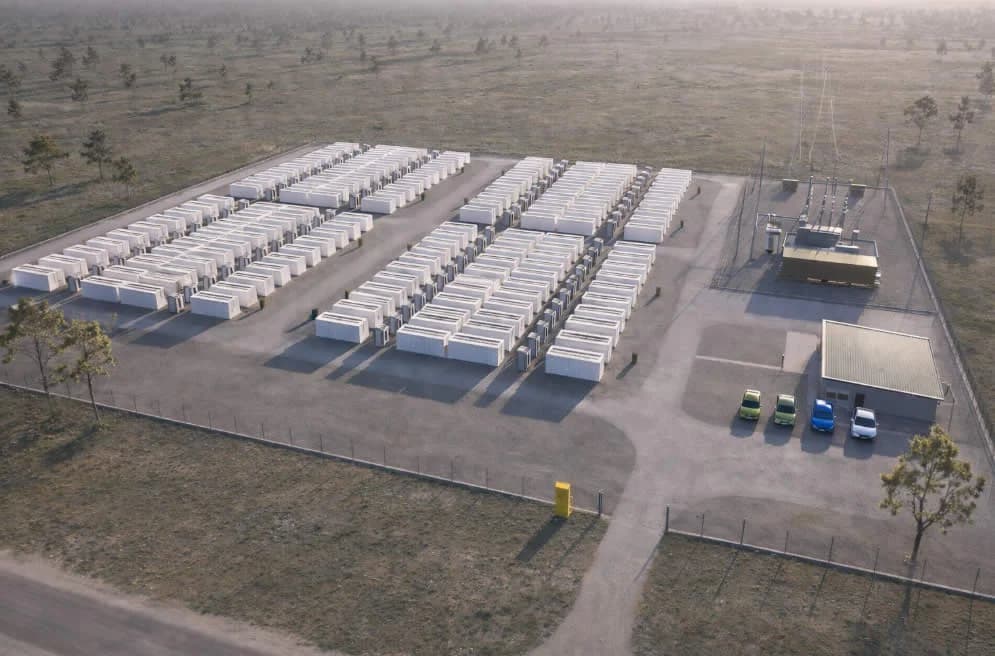
Battery energy storage projects (BESS)
Battery energy storage projects (BESS)
Battery energy storage is establishing itself as one of the most effective ways to optimise electricity consumption, increase energy flexibility and improve the profitability of industrial facilities and renewable plants. In an increasingly volatile electricity market, storage systems make it possible to manage energy strategically and take advantage of the opportunities the system offers.
At GRUPO TREBOL ENERGIA we develop intelligent energy storage projects using batteries (BESS – Battery Energy Storage Systems) tailored to each client's technical and financial needs.
Our team analyses each facility to determine the technical and financial viability of adding batteries, sizing the system to match the client's energy profile precisely.
Design and sizing of energy storage systems
Every energy storage project requires a facility-specific analysis. We therefore carry out detailed studies to define the optimal battery system size and ensure maximum efficiency.
During project development we analyse factors such as:
Quarter-hourly electricity consumption profile
Energy price and tariff structure
Existing self-consumption and renewable generation levels
Plant production capacity
Demand peaks and contracted capacity
Opportunities to participate in electricity markets
Building on this analysis, we design energy storage solutions that optimise energy use and improve the facility's profitability.
Active management of energy storage
Once the system is in place, energy storage can be actively managed to maximise its economic value.
At GRUPO TREBOL ENERGIA we optimise battery operation through strategies that include:
Price arbitrage in the electricity market
Participation in balancing and adjustment services
SRAD (Active Demand Response Services)
Use of self-consumption surpluses
Optimising energy use during peak-cost hours
In this way we turn the storage system into a strategic tool for improving energy efficiency and generating new energy revenue.